Conversations about men’s mental health are finally moving from the shadows into everyday life—and that shift matters. Too many men still equate asking for help with weakness, ignore symptoms until they escalate, or mask pain behind work, humor, or alcohol. The truth is simple and hopeful: mental health challenges are common, treatable, and a vital part of whole-person wellness. When care is personalized, collaborative, and integrative—addressing mind, body, and environment—men can heal, grow, and lead more connected lives. Whether you’re navigating stress, anxiety, depression, trauma, or burnout, the first step is recognizing that support is not a luxury; it’s a cornerstone of long-term health, relationships, and performance.
Why Men Experience Mental Health Differently
Cultural expectations shape how men identify and express distress. From a young age, many are taught—directly or indirectly—to “tough it out.” This pressure can push feelings underground, where they often resurface as irritability, anger, withdrawal, or physical complaints. It’s one reason mental health struggles in men can be under-recognized: instead of saying “I feel sad,” a man might notice road rage, fatigue, back pain, or reliance on after-work drinks. Recognizing how depression, anxiety, and stress look through a male lens is a powerful gateway to timely support.
Life stage and role transitions also influence risk. Early career uncertainty, financial pressure, fatherhood, caregiving for aging parents, or the end of a relationship can activate or intensify symptoms. Veterans and first responders face distinct stressors, including trauma exposure and sleep disruption. Men working rotating shifts or long hours may see compounding effects on mood, metabolism, and memory. Biologically, sleep apnea, chronic pain, thyroid issues, low testosterone, and even micronutrient deficiencies can mirror or worsen mental health symptoms. When physical and psychological factors intertwine, an integrative approach—screening both medical and emotional contributors—helps clarify what’s driving distress.
Substance use frequently complicates the picture. What begins as a way to “take the edge off” can become a cycle that worsens sleep, mood, and motivation. Risky behaviors—speeding, gambling, excessive workouts, or overwork—can fill the same role, providing brief relief while masking underlying anxiety or depression. Social isolation quietly amplifies risk, especially for men in new cities, demanding jobs, or rural areas with fewer mental health resources. Communities that normalize conversation, prioritize mentorship, and create low-barrier entry points to care (like embedded behavioral health in primary care) close this gap.
It’s also essential to acknowledge that in many countries, men face a higher risk of dying by suicide, a tragic outcome often linked to untreated or undertreated conditions. Hope lies in early detection, practical tools, and care plans tailored to real-life constraints. When men access evidence-based therapies, responsible medication management, and supportive peer or family involvement, outcomes improve—and doing so starts with understanding these gender-shaped patterns.
Signs to Watch For—and How Evidence-Based Care Helps
Not every symptom shouts. Many whisper. Look for shifts in sleep (trouble falling or staying asleep), appetite (skipping meals or stress eating), and energy (feeling wired and tired). Watch for increased irritability, cynicism, or a short fuse; difficulty concentrating; a drop in motivation or joy; or a persistent sense of being “behind.” Other red flags include escalating alcohol use, more frequent betting or high-risk hobbies, unexplained aches and headaches, sexual difficulties, and pulling away from friends or family. Perfectionism and burnout are especially common in high achievers—signs that the mind’s alarm system is stuck in overdrive.
Modern treatment meets men where they are. Cognitive Behavioral Therapy (CBT) teaches skills to reframe unhelpful thoughts, dial down anxiety, and take small, confidence-building actions. Acceptance and Commitment Therapy (ACT) helps men align choices with core values—fatherhood, leadership, health—so change feels meaningful, not forced. For trauma, EMDR and trauma-focused therapies reduce the sting of painful memories while restoring a sense of safety. When indicated, medication management can stabilize sleep, energy, and concentration, creating traction for therapy and lifestyle changes.
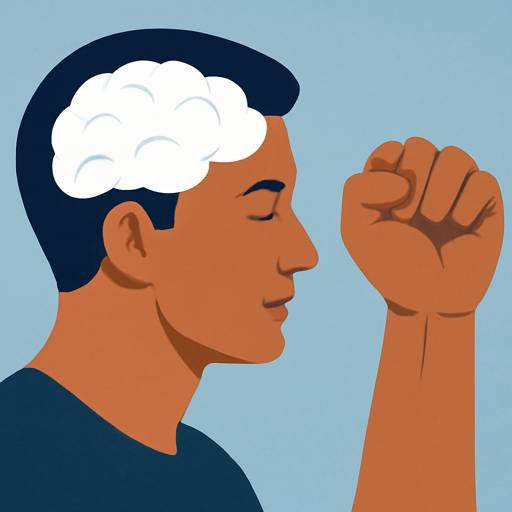
Integrative care broadens the toolkit. Sleep optimization, movement plans tailored to injuries or time constraints, nutrition that steadies energy, and targeted breathing practices for stress can make therapy “stick.” Many men benefit from peer groups that normalize the conversation and offer real-world strategies. Couples or family sessions can repair communication breakdowns and build a support system that lasts beyond the formal treatment window. Flexible options—telehealth, evening sessions, or blended in-person and virtual care—reduce barriers without sacrificing quality.
Consider a common scenario: a 38-year-old manager starts snapping at coworkers, drinking more on weeknights, and waking at 3 a.m. with racing thoughts. A thorough assessment reveals untreated sleep apnea, escalating work stress, and unprocessed grief. A coordinated plan—CPAP adherence, short-term medication to reset sleep, CBT for worry spirals, EMDR for grief triggers, and a structured exercise routine—leads to steady improvement in mood, patience, and focus. Awareness months can be a springboard for action; learn more and find ways to get involved during mens mental health initiatives that spotlight education and access.
Taking Action: Practical Steps for Men, Families, and Communities
The most effective plan is often the most specific. Start by naming the problem you want to solve: “I want to sleep through the night,” “I’m done with Sunday dread,” or “I need to stop snapping at my kids.” Concrete goals inform concrete care. Schedule a primary care visit and request a mental health screening; share sleep patterns, stressors, substance use, and any medical issues. Ask about labs that can influence mood (thyroid function, vitamin D, B12; in select cases, testosterone) and discuss a referral to a licensed therapist. Choosing a clinician who tailors care—combining therapy, medication when appropriate, and lifestyle supports—can accelerate progress.
Build a “mental fitness” routine that fits your day. Anchor sleep and wake times across the week. Aim for regular movement—brisk walks, resistance training, or sports you enjoy. Use brief, repeatable practices: 4–6 slow breaths before meetings, a five-minute body scan before bed, or a 10-minute sunlit walk to reset mood. Set tech boundaries that protect attention. Swap “numbing” habits with “restoring” ones—calling a friend, journaling wins and worries, or cooking a protein- and fiber-rich meal. If alcohol has become your stress tool, consider alcohol-free days or a structured reduction plan; share this goal with someone you trust.
For partners, friends, and coworkers: ask open, nonjudgmental questions. “You haven’t seemed like yourself—what’s been hard lately?” Listen for feelings beneath facts. Reflect back what you hear; avoid jumping straight to solutions. Encourage professional help and offer to assist with practicalities—finding a therapist, watching kids during appointments, or joining a walk to talk things through. If you’re worried about immediate safety, contact local emergency services or a crisis line in your region. Quick action can save a life, and compassionate follow-up sustains recovery.
Communities and workplaces can amplify impact. Normalize mental health check-ins alongside physicals. Offer confidential access to care via EAPs or embedded behavioral health providers. Train managers to recognize burnout, build psychologically safe teams, and model boundaries. Faith and social groups can host talks about men’s mental health, share vetted resources, and create peer circles that meet regularly. Whether care is in-person or virtual, the key is accessibility and a plan tailored to the person—not a one-size-fits-all model.
Starting can feel daunting; sustaining change can feel even harder. That’s why collaborative, personalized treatment—rooted in your goals and guided by evidence—matters. One candid conversation, one honest assessment, one small daily habit: stack enough of these and momentum builds. Healing is not linear, but it is possible, and strength grows when men choose support over silence.

Reykjavík marine-meteorologist currently stationed in Samoa. Freya covers cyclonic weather patterns, Polynesian tattoo culture, and low-code app tutorials. She plays ukulele under banyan trees and documents coral fluorescence with a waterproof drone.