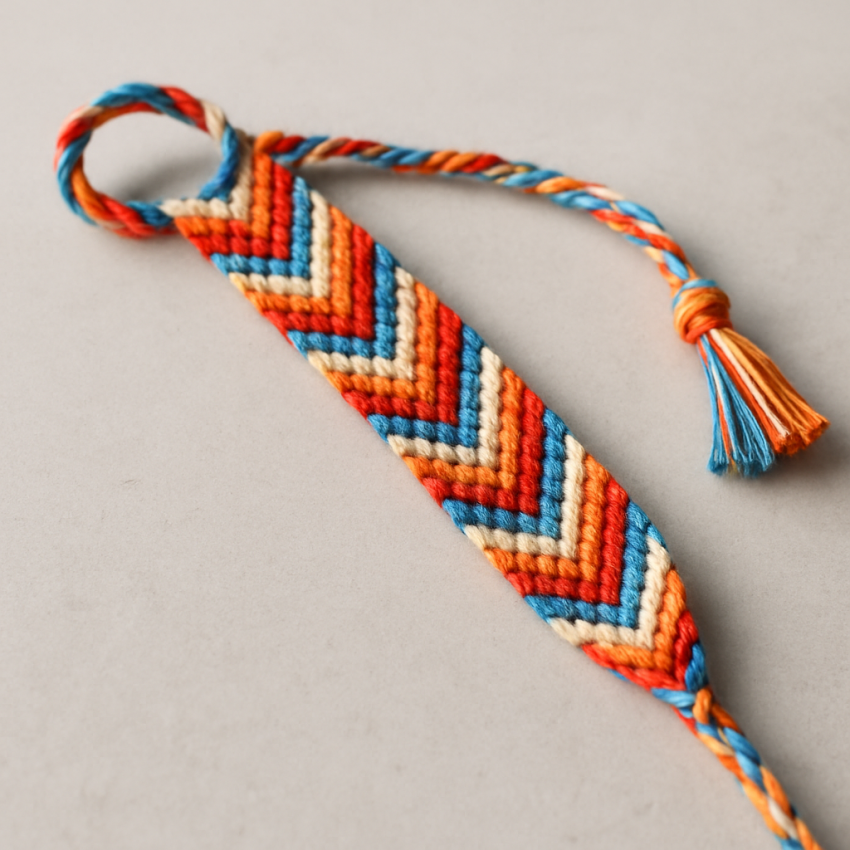
From minimalist cord bracelets and gemstone stacks to rugged paracord bands, the secret to a bracelet that feels good, looks right, and survives daily wear is the right bracelet string. The core material dictates durability, how knots hold, how beads sit, and whether colors stay vibrant after weeks of bending and exposure. Selecting wisely means thinking like both a designer and an engineer—matching fiber to function, tension to technique, and finish to fashion. Whether crafting a single keepsake or outfitting a studio’s production line, understanding materials, sizing, and construction unlocks better results and fewer remakes.
Materials That Make or Break a Bracelet
Every jewelry making project starts with a material choice, and each stringing option brings distinct mechanics. Elastic cord, typically polyurethane or spandex blends, excels at stretch-on convenience for bead stacks and kids’ styles. It’s forgiving to wear, but the tradeoff is long-term fatigue under constant tension; thickness and knot choice matter to reduce creep. When stretch isn’t needed, nylon thread and polyester cords offer impressive abrasion resistance, knot reliability, and color variety. Nylon melts to seal ends and resists fraying, while polyester offers greater UV and moisture stability—topical for beachwear or sports bracelets.
Traditionalists favor silk for pearls and delicate stones. It drapes beautifully and knots tightly between beads, reducing clack and chipping. Yet silk is sensitive to moisture and oils, so it suits special-occasion pieces more than gym-ready bracelets. For earthy textures and boho builds, waxed cotton and hemp cord provide grip for macramé and sliding knots. The wax not only adds water resistance and body, but also helps stabilize taut patterns. Leather lace brings a handsome, rugged aesthetic; it needs compatible beads with larger bores and should be conditioned periodically to avoid stiffness or cracking.
Beaded designs that demand superior strength often turn to stainless steel beading wire (7-, 19-, or 49-strand) jacketed in nylon. More strands yield a softer drape without sacrificing tensile performance, making them ideal for gemstone or metal-heavy bracelets. They crimp securely, resist kinks better than single-strand wires, and handle repeated flexion. For ultra-thin designs and micro seed beads, braided microfibers and bonded threads (like UHMWPE-based options) deliver remarkable strength at slim diameters, enabling intricate loom and off-loom techniques while resisting fray. Finally, paracord suits survival or outdoor styles: it’s tough, readily available in vibrant patterns, and holds knots well—but it’s bulkier and best matched to chunkier hardware and larger clasps.
In short, pair elastic with easy-on stacks, nylon or polyester for daily-wear knots, silk for refined drape, waxed cotton or hemp for textured artisanship, leather for bold minimalism, and multi-strand wire for load-bearing designs. Think about abrasion, sweat, water, UV, and bead weight before threading the first bead; the right core material is the foundation of comfort and longevity.
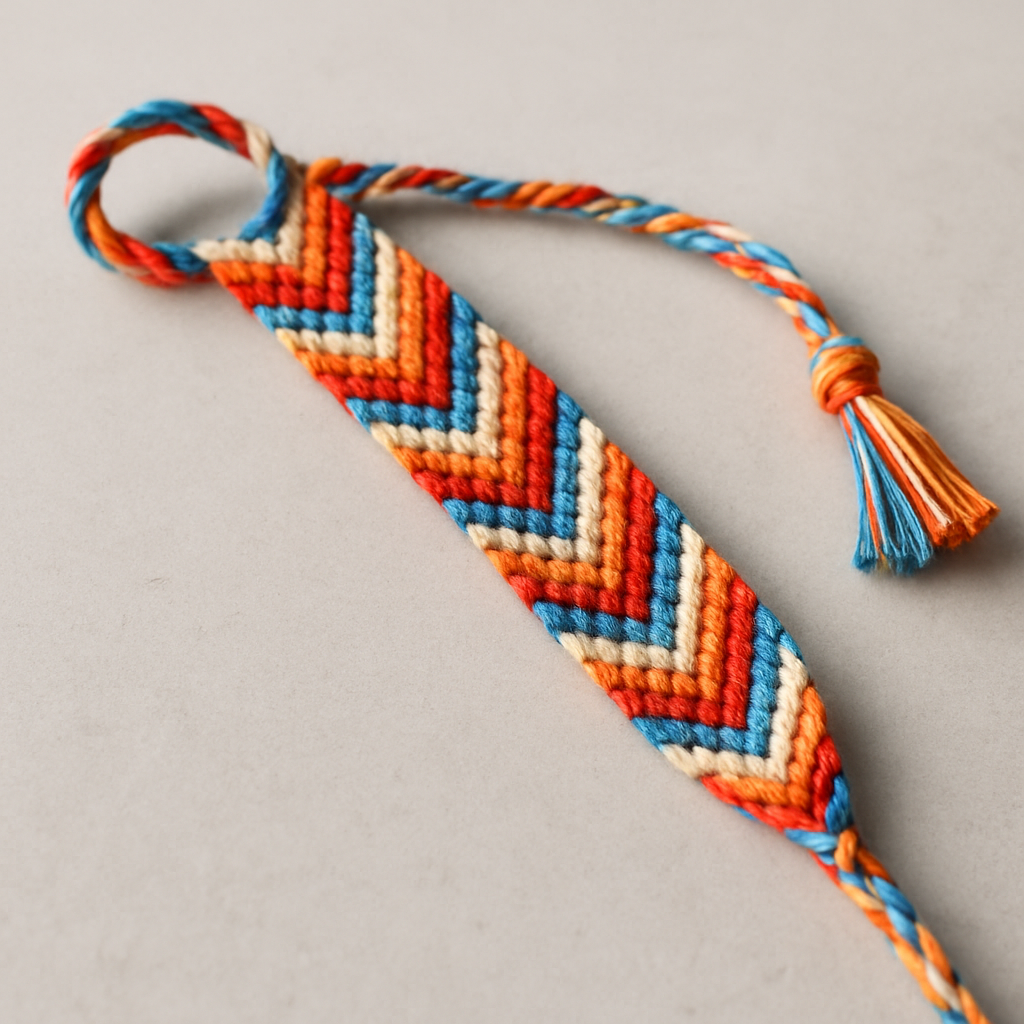
Sizing, Strength, and Construction: Getting the Engineering Right
Precision in diameter selection is where form meets function. The string should glide through bead holes without scraping, yet sit snug enough to minimize rattle. For elastic bracelets, a useful guide is choosing the thickest cord that still threads easily—often 0.5–1.0 mm for most gemstone beads. Thicker elastic reduces stress concentration at knots. For multi-strand stainless steel beading wire, pick a diameter that resists nicking against metal bead edges: 0.014–0.019 in suits most mid-weight bracelets, while 0.021–0.024 in handles heavier stones. If working with fine seed beads, bonded micro threads or 0.010–0.012 in wire support fluidity without crowding holes.
Knotting and finishing techniques complete the equation. Elastic benefits from secure surgeon’s or square knots reinforced with a flexible cement rather than brittle cyanoacrylate. A rigid adhesive may micro-crack under repetitive flex. Nylon and polyester cords can be sealed by gently melting trimmed ends; waxing the knot before cinching can also reduce slippage. For silk or microfibers, consider a touch of clear flexible cement on knots hidden within a bead. With beading wire, proper crimping is essential: use matched crimp sizes and a ratcheting crimping tool to create uniform, cold-formed compressions that won’t cut the jacket. Add wire guardians at clasp points to prevent saw-like wear.
Load and movement analysis matters more than most crafters expect. A gemstone stack worn by a commuter sees repeated bending from typing and wrist turns; selecting a slightly thicker, more fatigue-resistant elastic or a 19/49-strand wire will reduce breakage risk. A yoga mala-style bracelet faces sweat, friction, and stretching during practice—polyester or waxed cotton withstands moisture better than silk, and adjustable sliding knots accommodate swelling. Children’s bracelets combine lighter weight with rough handling; softer cords, rounded beads, and flush-trimmed ends prevent snagging while improving safety.
Measurement discipline improves comfort and retention. Target 0.75–1.0 cm of ease beyond the wrist’s snug circumference for non-stretch bracelets; elastic designs can be closer to wrist size since they expand on demand. Always test drape, check crimps and knots under gentle tension, and flex the bracelet at multiple points to predict real-world behavior. A thoughtful build—right diameter, right technique, right finish—turns a pretty concept into a reliably wearable piece.
Design, Care, and Shopping Smart for Bracelet String
Design begins with tactile and visual character. Smooth, glossy cords highlight polished gemstones and metal accents, while matte bracelet string builds spotlight wood, bone, and ceramic. Colorfast dyes are critical; polyester generally outperforms cotton for fade resistance, which matters for outdoor or festival wear. If layering multiple bracelets, vary textures—leather beside satin cord, micro-braid next to 49-strand beading wire sheathed in a colored jacket—to create depth without visual clutter. Braiding or kumihimo techniques add strength and graphic interest, distributing load across multiple elements for durability and comfort.
Closure choice is both aesthetic and mechanical. Elastic designs can hide knots inside larger beads or use crimp covers to disguise junctions. For wire or cord, lobster clasps with jump rings, magnetic clasps with safety catches, or slide closures all bring different profiles and user experiences. Consider the end-user: a magnet can help those who struggle with small hardware, but ensure adequate holding force for heavier pieces. Leather and paracord pair well with button-and-loop closures or rugged shackles, balancing ease with a secure set-and-forget fit.
Care routines extend life. Remove bracelets before chlorinated pools, hot tubs, or heavy cleaning; chlorine and solvents attack elastomers and degrade coatings. Wipe down beads and cords with a soft cloth after workouts to reduce salt buildup. Store silk and leather away from direct sunlight and heat to prevent fading or drying. Periodically inspect knots, crimps, and high-friction points near clasps; a quick restring every few seasons maintains safety and aesthetics for frequently worn stacks. If a bracelet feels looser over time, address it early—elastic fatigue rarely reverses, and timely maintenance preserves both beads and confidence in the piece.
Smart sourcing streamlines projects and saves rework. Look for vendors offering multiple diameters, strand counts, and spool sizes so design and function can be fine-tuned without compromise. It’s practical to buy related essentials together—calipers for bead-hole checks, beading needles, crimp tubes, guardians, and a true crimping tool—to ensure consistent, professional finishes. Platforms that carry both crafting supplies and general DIY tools make it simpler to replenish everything from micro threads to pliers in one order. When evaluating options online, browse quality bracelet string selections alongside findings and accessories, compare tensile and abrasion specs, and choose materials that match the realities of the wearer’s routine—office, studio, trail, or tide. With the right materials in hand, design decisions become freer, wear becomes more comfortable, and the finished bracelet tells its story for seasons to come.

Reykjavík marine-meteorologist currently stationed in Samoa. Freya covers cyclonic weather patterns, Polynesian tattoo culture, and low-code app tutorials. She plays ukulele under banyan trees and documents coral fluorescence with a waterproof drone.