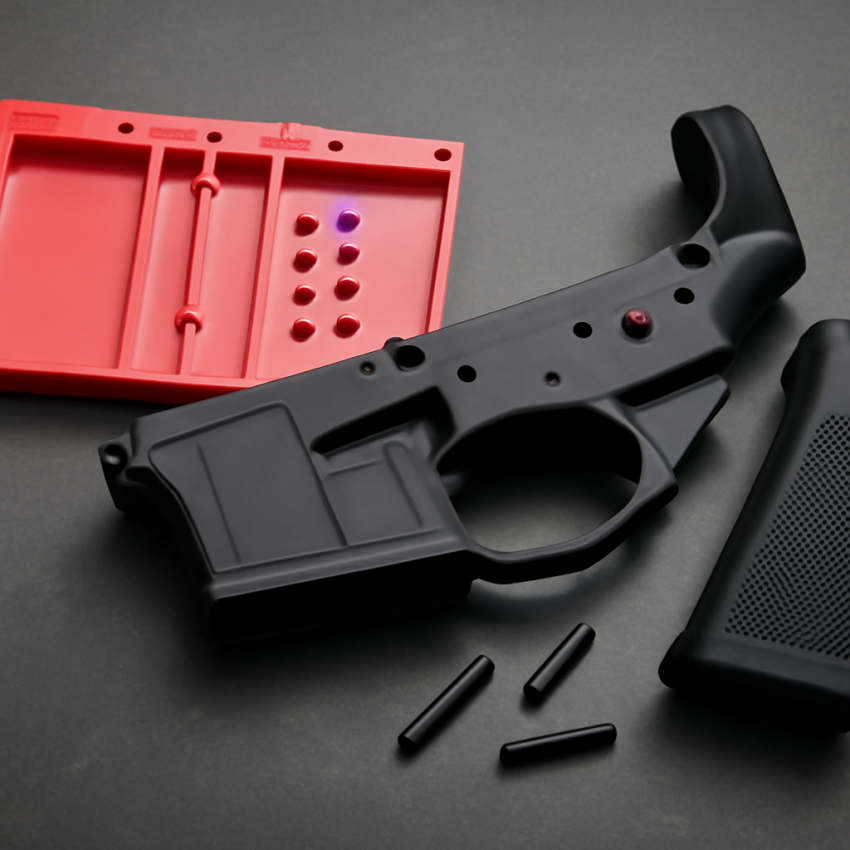
What Is an 80 Lower Polymer and Why It Matters
A 80 lower polymer (often called a frame blank or receiver blank) is a partially completed firearm component made from durable, lightweight polymer. It is not considered a firearm under federal law until it meets the regulatory definition of a finished frame or receiver. Because it sits in this in-between category, it appeals to hobbyists and experienced enthusiasts interested in the customization, ergonomics, and material advantages of modern polymers. Whether for AR-style platforms or Glock-compatible builds, polymer-based designs bring contemporary engineering to classic formats, combining weight savings, corrosion resistance, and custom fit into one package.
The material itself is central to the appeal. Quality polymers can be reinforced for rigidity, incorporate metal rails where appropriate, and resist common solvents and environmental wear. This makes a polymer frame kit particularly attractive for long days at the range or high-round-count practice sessions where comfort and durability matter. Many users value the tactile control of polymer-based grips, the tuned recoil impulse in pistol setups, and the ability to tailor surfaces for improved handling. In AR-style contexts, polymer lowers can contribute to a more manageable rifle, particularly for extended training or field use where every ounce counts.
From a design standpoint, the evolution of these components reflects a broader shift in the industry toward materials science and modularity. Polymer geometry can be optimized for human factors—think grip angle, undercut trigger guard areas, and accessory mounting—without the weight penalties traditional alloys sometimes impose. Customization enthusiasts also appreciate how polymer surfaces can be adapted to individual preferences, all while maintaining structural integrity when matched to quality slides, barrels, uppers, and other compatible parts. For those seeking vendor guidance or product comparisons, many turn to resources focused on 80 lower polymer options to understand specifications, compatibility notes, and customer support policies before they make a purchase decision.
It is essential to stress that location matters. Federal, state, and local rules set the boundaries for what is permissible. Responsible owners verify what’s allowed in their area, assess whether they need serialization or approvals, and confirm that their plans align with current regulations. The same careful approach applies to safe handling and storage—fundamentals that remain non-negotiable for anyone exploring polymer-based customization.

Compliance, Responsibility, and Safe Handling: The Non-Negotiables
The regulatory landscape around 80 lower polymer components is dynamic. While a receiver blank may not be considered a firearm at the time of purchase under federal law, certain configurations, parts groupings, or local rules can change its status. Many states and municipalities impose additional conditions such as serialization requirements, deadlines for marking, registration steps, or limits on transfer. Because these rules vary widely—and have evolved through policy updates and court decisions—responsible enthusiasts verify the current standards through official sources before they buy or assemble anything.
Responsible ownership extends beyond compliance paperwork. Basic firearm-safety principles are the foundation: keep the muzzle pointed in a safe direction, treat every firearm as if it is loaded, keep your finger off the trigger until ready to fire, and be sure of your target and what’s beyond it. Secure storage pairs with safe operation; a lockable safe or other reliable storage solution helps prevent unauthorized access. Regular maintenance, inspection for wear, and attention to manufacturer guidelines ensure that any customized platform remains reliable and safe during range use or training sessions.
Local considerations are practical as well as legal. Some jurisdictions may restrict shipment of certain parts, reclassify particular kits, or require coordination with licensed professionals for specific steps. In regions with more permissive rules, buyers still benefit from documenting purchases, saving product literature, and keeping records of compatibility notes for future service or upgrades. For shooters who train at a commercial range, it is wise to ask range staff about any unique policies regarding privately customized platforms so there are no surprises when it’s time to practice.
Finally, social responsibility matters. The intent behind customization should be safe, lawful, and sport-oriented—whether it’s to achieve a more ergonomic grip, reduce fatigue during training, or hone precision with an optimized trigger setup. Enthusiasts who invest in education—such as certified safety classes or marksmanship courses—tend to make better equipment decisions, respect range etiquette, and set a positive standard in their local community. While polymer-based receiver blanks and frames might be the entry point, the long-term value comes from a culture of compliance and continuous learning.
Choosing Quality Components and Planning a Customization Path
Selecting the right 80 lower polymer starts with a plan that prioritizes purpose and fit. Are you aiming for a range-friendly pistol that emphasizes controllability and comfort? Or is a lightweight AR-style configuration more appropriate for all-day training? Begin with the end in mind: intended use, compatible parts, and a clear budget. Quality polymer construction often includes reinforced areas to handle stress, thoughtful grip geometry for consistent indexing, and textures that balance traction with comfort. When paired with compatible slides, uppers, or receiver sets, a well-designed polymer platform can feel remarkably cohesive.
Compatibility is a top consideration. Pistol builds may follow specific pattern standards, and rifle projects depend on matched upper and lower fitment. Verify tolerances, materials, and any metal-insert interfaces to ensure durability where moving parts interact. Look for clear vendor documentation that outlines which generations, calibers, or accessory interfaces the component supports. It’s also helpful to assess aftermarket ecosystems—trigger assemblies, sights, and slide or upper options—to confirm that your preferred parts list will integrate smoothly with the polymer foundation you choose.
Ergonomics and control surfaces deserve attention. Subtle differences in grip angle, beavertail height, or frame texture can significantly affect recoil management and shot-to-shot consistency. For many enthusiasts, a polymer frame’s adaptability is a compelling advantage. Features like accessory rails for lights, extended beavertails for comfort, and enhanced texturing can elevate performance without adding significant weight. In AR-style contexts, pairing a polymer lower with a reliable upper, quality buffer system, and well-set gas configuration can translate to less fatigue over long sessions and more predictable handling across different ammunition loads.
Real-world scenarios highlight the planning mindset. A competition-focused shooter might prioritize a crisp, reliable trigger, fast-reset controls, and a textured frame that provides consistent traction during rapid strings of fire. A training-focused owner could opt for a polymer setup that reduces weight and improves reach-to-controls for repeated drills, placing emphasis on reliability and manageable recoil over aesthetics. In both cases, smart purchasing includes checking vendor support, reading product guides, and understanding return policies. Good documentation and responsive customer service add confidence as you chart your customization path.
Above all, match performance goals with responsible practices. Review local requirements before acquiring parts, keep detailed notes on compatibility and maintenance, and approach range time with an emphasis on safety. A thoughtful plan, high-quality polymer components, and a commitment to lawful, secure ownership underscore what makes modern polymer-based customization appealing: a blend of innovation, comfort, and precision that respects both engineering and ethics.

Reykjavík marine-meteorologist currently stationed in Samoa. Freya covers cyclonic weather patterns, Polynesian tattoo culture, and low-code app tutorials. She plays ukulele under banyan trees and documents coral fluorescence with a waterproof drone.