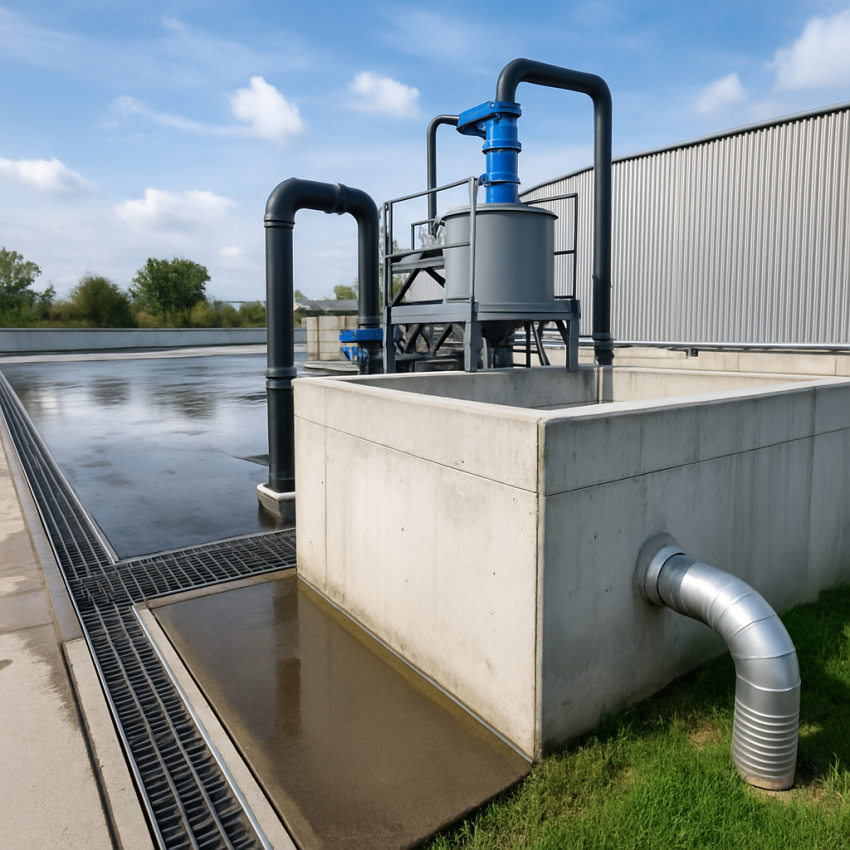
What NPDES Compliance Means for Washing Operations
NPDES compliance sits at the intersection of environmental protection and day-to-day operations for fleets, municipalities, contractors, and industrial sites. Established under the Clean Water Act, the National Pollutant Discharge Elimination System regulates point-source discharges to U.S. waters. While the program is administered by the EPA, most states run their own delegated versions with unique permit terms. For anyone washing trucks, buses, heavy equipment, or industrial assets, the key truth is simple: process wash water is not stormwater, and discharging it to the ground or to a storm drain can constitute an unlawful release.
Vehicle and equipment washing generates a pollutant mix that commonly includes oils and grease, surfactants from detergents, metals (e.g., copper, zinc, lead from brakes and components), sediment and fines (TSS), altered pH, nutrients, and—particularly in colder climates—salts and brine from winter maintenance. Even light-duty rinsing can mobilize residues that violate permit limits or local ordinances. That is why regulators require proper capture, treatment, and either reuse or permitted discharge to an approved system.
Operations typically encounter three regulatory pathways. First, many sites enroll in an industrial stormwater permit (such as an MSGP or a state-specific general permit) that focuses on stormwater associated with industrial activity. Under these permits, wash water is considered process wastewater and must be prevented from entering storm systems; compliant sites capture, treat, and either reuse it or send it to a sanitary sewer with authorization. Second, publicly owned storm systems (MS4s) police illicit discharges under IDDE programs, making on-pavement washing without containment a frequent enforcement target. Third, some facilities obtain explicit approval to discharge to a sanitary sewer with pretreatment. Direct surface-water discharges for wash water are rare and heavily conditioned.
The stakes are high. Civil penalties can accrue daily per violation, and citizen suits amplify exposure. Beyond fines, wash-water releases can trigger cleanup orders, reputational damage, and higher insurance costs. Conversely, a well-designed washing program reduces corrosion, extends equipment life, and cuts water and soap consumption—all while achieving NPDES compliance through proven capture-and-treatment practices that align with federal and state expectations.
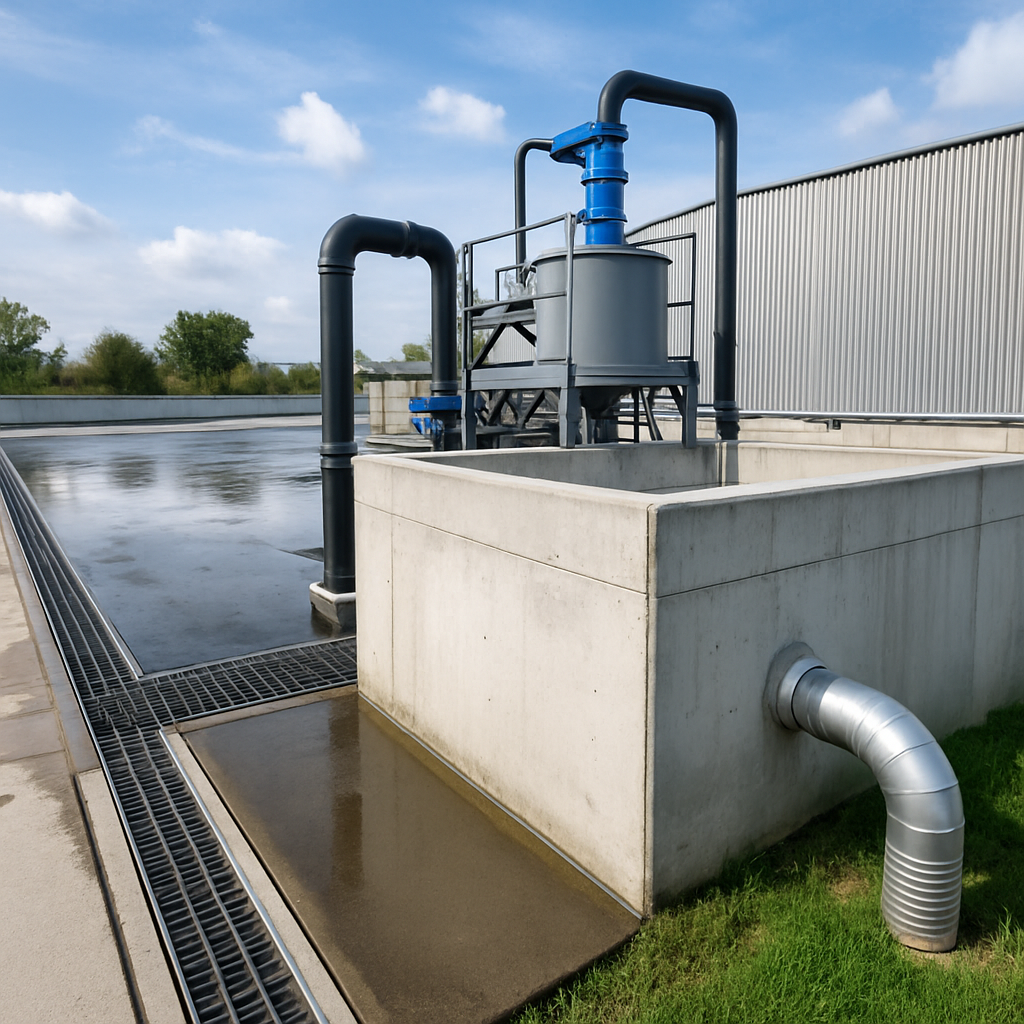
Designing Compliant Wash Infrastructure: From Containment to Treatment
Effective design starts with source control. Designating a wash area away from storm drains, sloping the surface to a collection point, and using berms, grated pads, or portable containment prevents off-site flow. Covered or roofed bays reduce contact with rainfall and limit the volume requiring treatment. Soap selection matters: choose biodegradable, low-phosphate detergents designed for reclaim systems, and avoid products that destabilize oil-water separation. Clearly marked, lockable valves keep staff from accidentally opening a route to an MS4 inlet.
Once captured, wash water needs staged treatment. A basic sequence starts with screening and sedimentation in a trench drain or sump to remove grit and heavy solids. Next, a coalescing oil-water separator or baffled clarifier reduces free hydrocarbons to protect downstream filters. For higher loading, systems add media filtration (multi-media, bag/cartridge), activated carbon for organics and odor, and pH adjustment where concrete exposure or detergents push conditions outside permit ranges. In heavy-duty scenarios—refuse fleets, yellow iron, or equipment with cutting fluids—advanced steps like dissolved air flotation or ultrafiltration improve removal of emulsified oils and fine colloids.
Water reuse is a powerful compliance and cost lever. Closed-loop reclaim systems can recycle 80–100% of wash water, integrating biological treatment, ozone or UV for odor control, and fine filtration to protect pumps and nozzles. Reuse reduces freshwater demand, energy consumption for heating, and discharge volumes—vital in drought-prone regions or jurisdictions with rising water/sewer tariffs. Sludge handling completes the picture: periodic cleaning of sumps and separators, dewatering via geobags or screens, and disposal through licensed waste haulers following appropriate characterization (e.g., TCLP) keeps solids from re-entering the cycle.
Consider a public works yard that washes snowplows, brine spreaders, and street sweepers. Chloride and fine sediment make brine-season wash water a compliance challenge. A roofed rack with graded containment directs flows to a three-stage pit for sediment, a coalescing separator for oils, and a polishing filter bank before route-to-sanitary under a discharge authorization. In summer, the same system runs in reclaim mode, reusing water to irrigate high-pressure wands and undercarriage nozzles. The yard documents removal efficiencies, pumps out sludge each quarter, and logs inspection results. The result: measurable salt and solids control, lower corrosion on equipment, and a defensible, auditable path that satisfies state permit conditions and MS4 expectations.
Operating to Stay Compliant: Plans, Training, Monitoring, and Documentation
Infrastructure alone does not guarantee compliance. Daily practices—anchored by a clear Stormwater Pollution Prevention Plan (SWPPP) or equivalent facility plan—turn hardware into results. Start by mapping drains, inlets, and flow paths. Post simple SOPs at the wash bay: how to set berms, test pH, check separator levels, and verify that the sanitary valve is open (and storm valve is closed) before turning on a pressure washer. Housekeeping matters: sweeping pads, emptying screens before they clog, and keeping spill kits stocked all reduce pollutant loading.
Training closes the loop. Supervisors and operators should understand the difference between stormwater and process wastewater, recognize illicit discharge risks, and know who to call when something goes wrong. For mobile washing, crews must bring portable berms or mats, vacuum recovery, and filter carts, with written authorization from the receiving sewer authority or an arrangement to haul water to an approved facility. Local nuances are critical: a contractor working in California under the Industrial General Permit, a shop in Washington under the ISGP, or a yard in Texas under the MSGP will see similar frameworks but different benchmarks, reporting cycles, and best management practice expectations.
Monitoring and recordkeeping demonstrate control. Many permits require visual assessments of stormwater, quarterly benchmark sampling, or effluent checks for parameters like TSS, oil and grease, pH, and metals. Keep calibration records, chain-of-custody forms, and lab results organized. If a benchmark is exceeded, document corrective actions—adjust chemical dosing, add a polishing filter, increase sump cleaning frequency—and evaluate effectiveness. For discharges to sanitary systems, maintain copies of local discharge permits, hauled-waste manifests, and communication with the POTW on limits for detergents, oils, and metals. Electronic submittals through tools like eReporting or NetDMR, where applicable, must align with your logs.
Small details prevent big problems. Winterize reclaim loops to avoid freeze-related failures. Label valves and pipes so night-shift staff cannot misroute flows. Store brine and detergents under cover, on secondary containment. Keep absorbent booms near separators. Assign ownership for weekly inspections and empower teams to stop washing if a control is offline. A real-world example: a contractor was cited after suds and sheen reached a creek from a jobsite cleanup. The fix—portable containment, vacuum recovery, and a simple bag filter with carbon cartridges, plus a short toolbox talk—eliminated recurrence and restored client access to sensitive sites.
When facilities approach NPDES compliance as an ongoing operational discipline—combining smart design, consistent training, and clear documentation—they reduce risk and cost simultaneously. That mindset helps organizations keep fleets cleaner, extend component life by removing salt and grime, and, most importantly, protect the waterways that communities depend on.

Reykjavík marine-meteorologist currently stationed in Samoa. Freya covers cyclonic weather patterns, Polynesian tattoo culture, and low-code app tutorials. She plays ukulele under banyan trees and documents coral fluorescence with a waterproof drone.