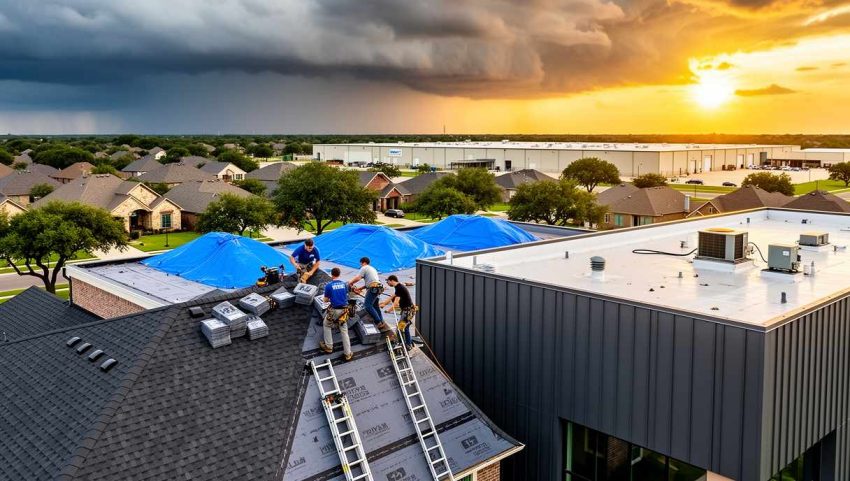
When the Texas sun bears down on Cedar Park and sudden hill‑country storms roll through, a dependable roof is more than curb appeal—it is year‑round protection for homes and businesses. Choosing the right partner from among local roofing companies can determine how well your property stands up to UV exposure, wind, and hail. With neighborhoods growing from Brushy Creek to Ranch at Cypress Creek and commercial corridors along Whitestone and 183, the demand for trustworthy roofing expertise is high. Whether it is a roof repair after a storm, a long‑term maintenance plan, or an energy‑smart replacement, local insight matters. Understanding materials, building codes, and the realities of Williamson County weather helps ensure your next roofing decision delivers durability, value, and peace of mind.
How Cedar Park’s Climate Shapes Smart Roofing Choices
The Central Texas climate pushes roofing materials to their limits. Prolonged heat and high UV accelerate shingle aging, dry out sealants, and can warp low‑quality underlayments. Hail and high winds create impact points and uplift along eaves and ridges. Intense downpours test gutters and flashing details, while periodic cold snaps stress poorly ventilated attics. The right material selection, combined with local installation know‑how, is the foundation of a resilient roof in Cedar Park.
Asphalt shingles remain popular for residential projects, but not all shingles perform equally in this environment. Homeowners often choose Class 4 impact‑resistant shingles to better handle hail and flying debris. High‑quality synthetic underlayments hold up to heat and provide stronger secondary water protection than traditional felts. Ice‑ and water‑shield membranes, strategically installed in valleys and around penetrations, reduce the risk of leaks during wind‑driven rain. For many properties, upgrading ridge caps and fasteners adds wind resilience without a drastic change in appearance.
Metal roofing is another smart choice for the area’s extremes. Standing seam systems offer superior uplift resistance and excellent longevity, and modern finishes reflect heat to help AC systems work less during August peaks. Properly detailed flashings, sealed panel seams, and correct clip spacing are crucial for expansion and contraction in heat cycles. In neighborhoods with strict aesthetic guidelines, stone‑coated steel can blend traditional looks with the benefits of metal performance.
Commercial and industrial roofs around Cedar Park, Leander, and Round Rock frequently rely on flat roofing systems such as TPO or PVC. These membranes bring heat‑welded seams for watertight performance, bright reflective surfaces for energy efficiency, and compatibility with rooftop equipment. The key is a substrate prepared to spec, correct insulation values, and tapered design to prevent ponding water. Wind‑rated edge metal and curb details make the difference between a roof that weathers spring squalls and one that develops chronic leaks.
Ventilation and insulation complete the equation. Inadequate attic airflow traps heat and moisture, shortening shingle life and inviting mildew. Balanced intake and exhaust—often a combination of soffit vents and ridge vents—helps keep attic temperatures closer to ambient, protects decking, and improves indoor comfort. Whether the project is a small bungalow off Lakeline or a larger facility near 1431, a climate‑ready roof starts with materials and details selected specifically for Central Texas conditions.
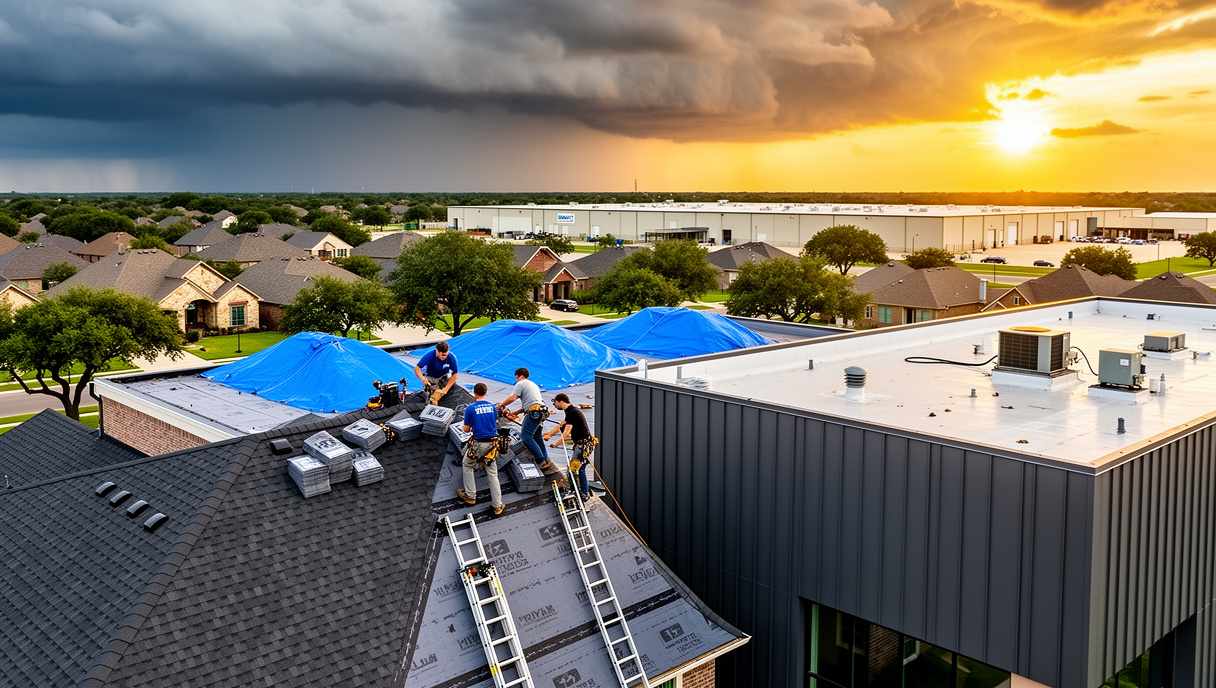
Services You Should Expect from a Top Roofing Team
Great roofing work is more than nailing shingles straight. A skilled team offers comprehensive services tailored to the life cycle of a roof and the needs of a property. For homes, that begins with thorough inspections using photos or drone imagery to document conditions. A clear report sets the stage for targeted roof repair or for making the case to replace an end‑of‑life system. Reputable professionals will explain options, from architectural shingles to metal roofing, and outline the cost, warranty, and performance differences in plain language.
Storm response is a defining capability in Cedar Park. After hail or wind events, reliable crews quickly secure damaged areas with emergency tarps, assess hidden issues like bruised shingles or compromised flashing, and provide documentation to assist with insurance claims. They coordinate with adjusters, confirm scope, and prioritize watertight repairs to protect interiors. A well‑run team keeps communication flowing so homeowners and businesses know exactly what will be done and when—critical when a storm hits large parts of Williamson County at once.
For commercial and industrial clients, experience with flat roofing systems is a must. Expect capabilities in TPO, PVC, and metal retrofit solutions, along with preventive maintenance that includes seam checks, penetration sealing, debris removal, and drainage optimization. Proactive service contracts catch small problems—like loose edge metal or early membrane shrinkage—before they become costly leaks. On re‑roofs, a proper substrate assessment dictates whether a recover is feasible or if a tear‑off is required for code compliance and long‑term performance.
Installation quality hinges on details: straight and secure starter rows, correct nail placement, flashed and counter‑flashed penetrations, step and apron flashing at walls and chimneys, sealed fasteners, and ridge ventilation sized to match intake. Crews should protect landscaping, magnet‑sweep for nails, and leave the property cleaner than they found it. Transparent warranties matter, too. Look for a blend of manufacturer coverage on materials and a workmanship warranty that reflects confidence in the install. Whether it is a modest leak repair in Silverado West or a full replacement for a retail center near 183A, top‑tier service combines technical skill, safety, documentation, and respectful jobsite management.
Real‑World Scenarios in Cedar Park: From Hail Repair to Flat Roof Upgrades
Local roofing work often centers on scenarios familiar to Cedar Park residents. Consider a spring hailstorm sweeping across Whitestone Boulevard. A homeowner notices granules washing into gutters and subtle dark spots on shingles. An expert inspection reveals hail bruising, cracked ridge caps, and dented gutters—damage that is not always obvious from the ground. The roofing team photographs every finding, issues a detailed report, and walks the owner through an insurance claim. Temporary protection prevents further moisture intrusion, and the final scope includes Class 4 shingles, upgraded underlayment, and new ridge ventilation. The result is a system tougher against the next storm and more efficient in summer heat.
On the commercial side, a small plaza experiences recurring ceiling stains near HVAC curbs. A flat‑roof specialist performs a water test and discovers failing sealant at penetrations and slight ponding from insufficient slope. Rather than a hasty patch, the plan includes curb re‑flashing, heat‑welded membrane repairs, and tapered insulation to move water to drains. Routine maintenance is scheduled quarterly to keep scuppers clear and seams intact. Over time, the plaza sees fewer service calls, and tenants stay happier with dry ceilings and stable operations—proof that a systematic approach beats piecemeal fixes.
Metal upgrades are another frequent request as energy prices rise. A homeowner near Brushy Creek replaces aging shingles with a standing seam roof in a cool‑roof finish. Combined with balanced attic ventilation and improved insulation, summer energy bills drop while curb appeal gets a modern lift. For industrial facilities around Georgetown and Round Rock, retrofitting a metal roof over existing panels can strengthen weather resistance, minimize tear‑off disruption, and extend service life with minimal downtime.
Knowing when to call a professional is crucial. After high winds, look for lifted shingles, creased tabs, missing ridge caps, or flashing that has separated from walls or chimneys. Following hail, check for soft spots on shingles, dents in metal accessories, and leaks around skylights. Stains on ceilings, musty odors in attic spaces, or excessive granules in gutters deserve prompt attention. A timely inspection can differentiate between a targeted roof repair and a full replacement, saving money and preventing hidden damage to decking, insulation, or interior finishes.
Choosing the right partner begins with local references and visible results in Cedar Park and nearby communities. Confirm licensing and insurance, ask about manufacturer training, and request a written scope that specifies materials, underlayment type, flashing details, ventilation, cleanup, and warranty terms. Clarity on timelines and communication channels helps projects run smoothly, especially when weather shifts the schedule. When it is time to explore estimates, it is wise to compare more than the bottom line—look at the proposed system, components, and installation standards that will protect your property for decades. For a vetted starting point, many property owners look to trusted Roofing companies cedar park resources valued by neighbors and local businesses alike.
From historic hail seasons to scorching summer highs, roofs in Cedar Park face real tests. Selecting materials suited to Central Texas, verifying installation details, and investing in periodic maintenance are the best ways to keep homes and businesses secure. With strong storm damage response, expertise in metal roofing and flat roofing, and a focus on energy performance, the right local team turns weather challenges into long‑term durability and value.

Reykjavík marine-meteorologist currently stationed in Samoa. Freya covers cyclonic weather patterns, Polynesian tattoo culture, and low-code app tutorials. She plays ukulele under banyan trees and documents coral fluorescence with a waterproof drone.