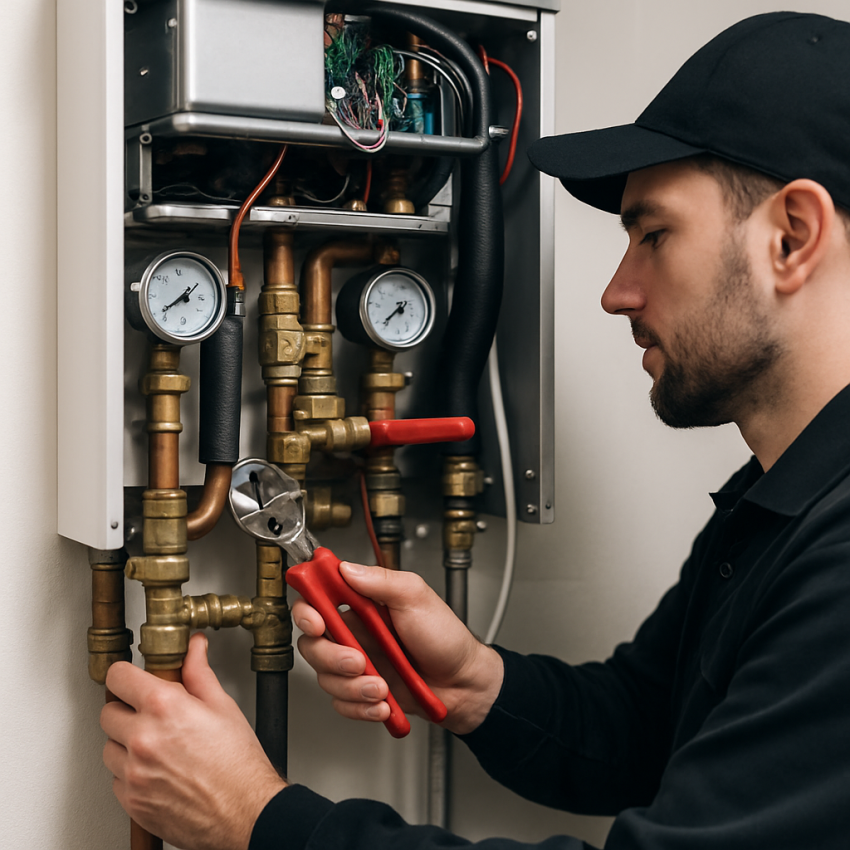
When a home or apartment connects to a communal or district heating network, the heat interface unit (HIU) becomes the beating heart of hot water and space heating. A well-maintained HIU provides fast hot water, stable radiators, and low energy costs. A struggling unit, by contrast, can cause tepid taps, noisy pipework, pressure swings and surprisingly high heat charges. Timely, professional heat interface unit repair restores performance, protects the wider network and extends the life of expensive parts. Whether serving homeowners, landlords, or block managers, a focused approach to diagnosis and repair ensures the system runs smoothly through London’s busiest heating periods and beyond.
How Heat Interface Units Work and Why Timely Repairs Matter
An HIU sits between the building’s communal primary circuit and the dwelling’s secondary heating and hot water circuits. It acts as the apartment’s “mini plant room,” transferring heat from the network via a plate heat exchanger (PHEX) without mixing primary and secondary water (on indirect systems). Controls and valves modulate flow so taps run at safe, consistent temperatures and radiators heat evenly. Sensors, differential pressure control valves, actuators, thermostatic mixing valves and a range of safety components all work in concert to deliver comfort with precision.
Because an HIU is constantly balancing supply and demand, even small faults can snowball. Limescale accumulation on the plate heat exchanger, for example, insulates heat transfer surfaces, forcing the unit to work harder for the same result. Clogged strainers reduce primary or secondary flow, starving the PHEX and creating temperature swings. Faulty actuators or control boards can mismanage flow and temperature, sending return water back to the network too warm—an efficiency red flag that often shows up as higher bills on heat-metered properties.
Timely HIU servicing and repairs limit these knock-on effects. By restoring correct delta-T (the temperature drop across the PHEX), the unit returns heat efficiently, helping networks meet their design targets and charge fairly. Tenants notice quicker hot water delivery and steadier showers. Radiators heat without cold spots. And property owners avoid the longer outages—and higher costs—that accompany neglected faults. A well-structured Heat interface unit repair strategy also safeguards compliance with manufacturer recommendations and optimises warranties, while making it easier to plan replacement cycles for consumables like seals, filters and cartridges.
In London’s dense housing stock, HIUs often operate under variable water quality and fluctuating network conditions. Fast response times and accurate fault-finding prevent disruptive failures during peak seasons, protect landlords from repeated callouts, and maintain strong tenant satisfaction. When addressed early, issues like noisy operation, pressure loss, or intermittent hot water typically resolve with targeted component replacement and system balancing—far less invasive than major overhauls.
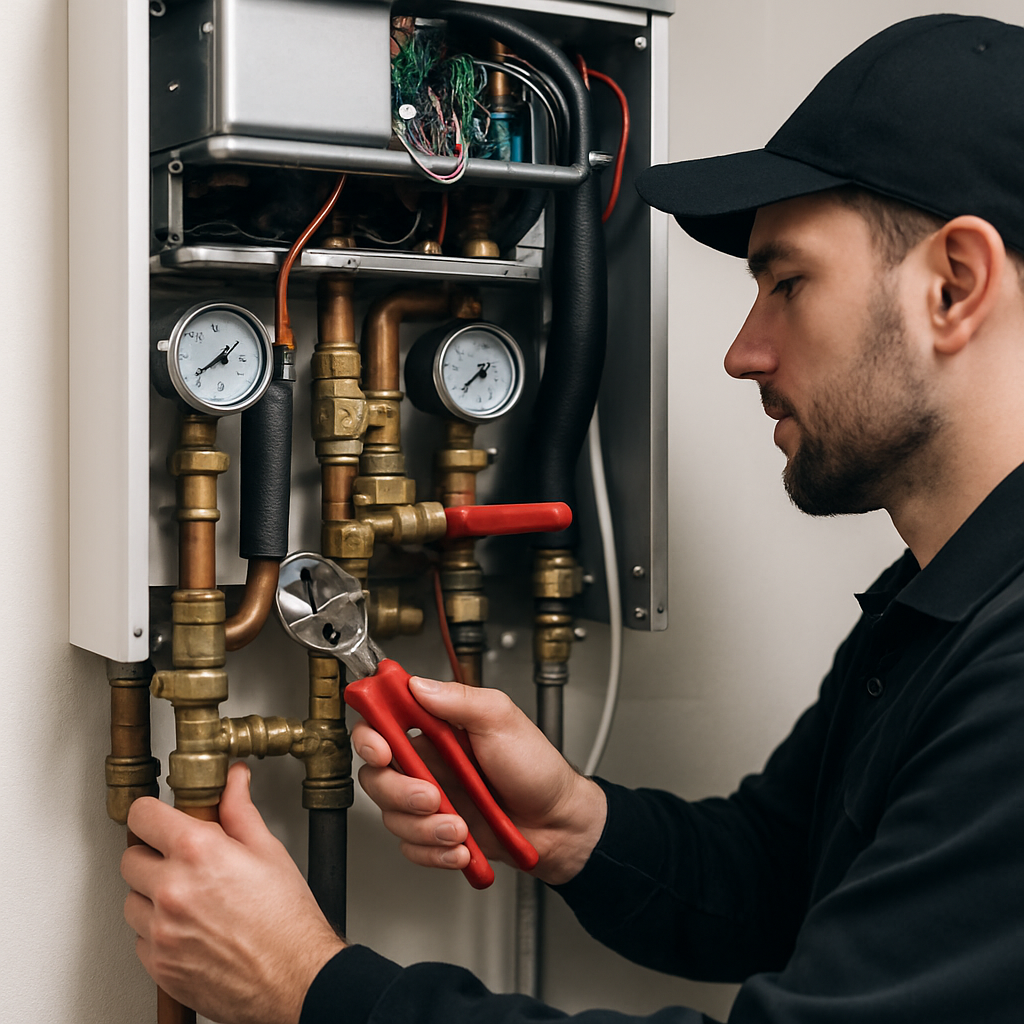
Typical HIU Faults, Warning Signs and Proven Repair Solutions
Several symptoms recur across brands and building types. Tepid or fluctuating hot water often points to scale on the domestic hot water plate heat exchanger, a fouled strainer, or a failing thermostatic mixing valve. Heating that won’t reach setpoint, or radiators that heat unevenly, can indicate restricted secondary flow, air ingress, or actuator malfunctions on zone valves. Sudden pressure drops suggest expansion vessel or pressure relief faults, while persistent high return temperatures signal control or balancing issues that waste energy.
Effective Heat interface unit repair begins with systematic diagnosis. Engineers check primary and secondary inlet temperatures, measure delta-T across the PHEX, confirm actuator movement and valve positions, and inspect strainers for debris. Electrical tests on sensors and control boards verify that commands align with measured performance. Water quality is assessed where limescale is suspected, and a visual check ensures no leaks or perished seals are hiding behind panels. These steps isolate root causes rather than chasing symptoms.
Solutions are targeted. A scaled PHEX is cleaned or replaced to restore heat transfer. Blocked strainers are cleared and, if fouling recurs, filtration upgrades or maintenance intervals are adjusted. Faulty thermostatic mixing valves are recalibrated or renewed to stabilise outlet temperatures. Actuator motors and cartridges are replaced when sluggish or stuck, and differential pressure control valves set correctly to harmonise primary flow with the dwelling’s demand. If the control board misreads sensor inputs, calibration or component replacement returns logic to normal. Pressure issues lead to expansion vessel checks, PRV replacement, and system bleeding to remove trapped air.
Consider a real-world example common in London flats: a resident reports warm—not hot—taps and a shower that cools after a minute. Diagnosis reveals a heavily silted primary strainer and significant scale on the domestic PHEX. After isolating the unit, the engineer cleans the strainer, chemically flushes and rinses the PHEX (replacing gaskets), and resets the mixing valve to the correct outlet temperature. The result is immediate: stable hot water, reduced primary return temperature, and lower energy draw. When recorded by the heat meter, consumption normalises, saving the resident money and easing load on the building’s network. Preventative advice—such as periodic strainer cleans and scheduled descaling—helps stop the issue recurring.
Professional Repair Process, Costs and Local Considerations in London
A best-practice repair journey is clear, documented and efficient. It starts with gathering good symptom data: what happens at the taps, how the radiators behave, any error codes, and recent service history. On arrival, an engineer conducts safety checks, confirms isolation points, and establishes baseline temperatures and pressures. With panels off, they inspect strainers, actuators, sensors and wiring before testing modulation under hot water and heating demand. Findings are explained in plain terms, with a breakdown of parts and labour so decisions can be made on the spot—important in busy apartment blocks where access windows are tight.
Costs vary by fault complexity and required parts. Many issues—strainer cleaning, valve cartridge swaps, sensor replacements, pressure tweaks—are resolved within a single visit at fixed rates. More involved tasks, like replacing a scaled plate heat exchanger or faulty control board, may require sourcing brand-specific components and a planned return visit. Transparent pricing and clear lead times keep occupants informed and reduce disruption. In buildings with multiple similar HIUs, batch repairs and aligned maintenance schedules can lower per-unit costs while improving system-wide consistency.
London-specific considerations matter. Water hardness varies across boroughs, influencing the pace of scale formation on PHEX surfaces and in mixing valves. Older pipework in converted properties can shed debris that quickly clogs strainers, especially after renovations or powerflushing elsewhere in the system. Network-side variations—such as fluctuating primary temperatures or pressure—also affect HIU stability. Engineers with local experience factor these realities into recommendations, from descaling intervals to filtration upgrades and balancing strategies.
For property managers overseeing multi-dwelling buildings, proactive programmes align annual HIU servicing with historical failure patterns. This approach cuts emergency callouts during cold snaps, protects residents’ comfort, and maintains healthy delta-T to keep communal plant efficient. Homeowners benefit from the same disciplined approach: a short, scheduled service visit can prevent the gradual performance drift that silently increases bills over winter. When urgent attention is needed—no hot water, tripping safety devices, or visible leaks—same-day response and fixed diagnostic fees keep things under control. In London, trusted specialists offer quick callouts and clear communication; to arrange expert support, consider Heat interface unit repair from experienced local engineers who work across all major HIU brands.

Reykjavík marine-meteorologist currently stationed in Samoa. Freya covers cyclonic weather patterns, Polynesian tattoo culture, and low-code app tutorials. She plays ukulele under banyan trees and documents coral fluorescence with a waterproof drone.